Finding large amounts of hair in the shower or on your brush weeks after a stressful event is alarming. Telogen effluvium is one of the most common causes, and it is almost always temporary. Here is how it works and how to support your scalp through it.
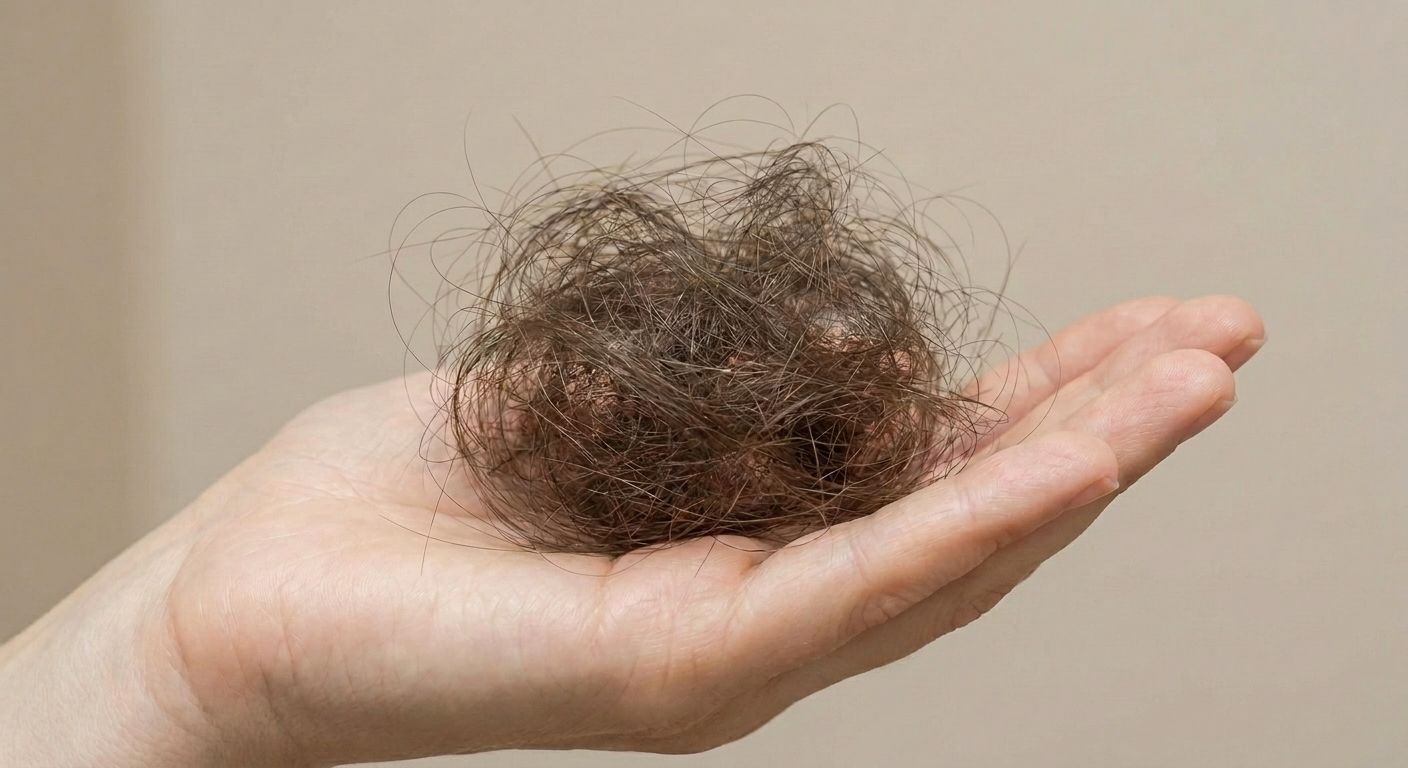
She came in convinced she was going bald. She was 38, otherwise healthy, and had spent the past three months watching her hair come out in alarming amounts. Handfuls in the shower. A pillow covered in the morning. She had taken photos on her phone to document it. She told me the only thing she could think of was that she had been under intense work stress about four months earlier. A major project, weeks of poor sleep, barely eating. I did a pull test, looked at her scalp under dermoscopy, and ran bloodwork. What she had was textbook telogen effluvium. Her follicles were not damaged. Nothing was permanently lost. The stressor four months earlier had pushed a large cohort of follicles into the resting phase all at once, and now they were all shedding on the same schedule. The timing, the diffuse pattern, the absence of any patchy loss, it all fit. She was not going bald. She was experiencing a synchronized shedding event that her body had triggered in response to stress, and it was already beginning to slow down.
The way I explain it in clinic: your hair follicles cycle through growth, transition, and rest. Under normal conditions, only about 10 to 15 percent of your follicles are in the resting or shedding phase at any given time. When the body experiences a significant physiological or psychological stressor, it sends a signal that essentially pauses non-essential functions. Hair growth is one of the first things to pause. A large number of follicles shift into the resting phase simultaneously. About two to four months later, those follicles complete the resting phase and shed their hairs at once. That synchronized mass shedding is what patients describe as handfuls coming out, or the shower drain clogging for the first time. Common triggers include major illness, high fever, surgery, significant emotional stress, rapid weight loss, iron or ferritin deficiency, thyroid dysfunction, and hormonal shifts. In her case, the stressor was clear. Once we confirmed her labs were normal and she understood the mechanism, the plan became simple: address any deficiencies, protect the scalp environment, and let the biology catch up.
What I Tell My Patients
Telogen effluvium is one of the most treatable forms of hair loss because the follicles are not damaged. Once the underlying trigger resolves, regrowth is expected. That said, it is worth identifying whether something is actively sustaining the shedding. Iron deficiency, low ferritin, thyroid dysfunction, and inadequate protein intake are among the most common culprits that keep a shedding episode going long past the original trigger. A dermatologist can confirm the diagnosis and run the right bloodwork to rule those out.
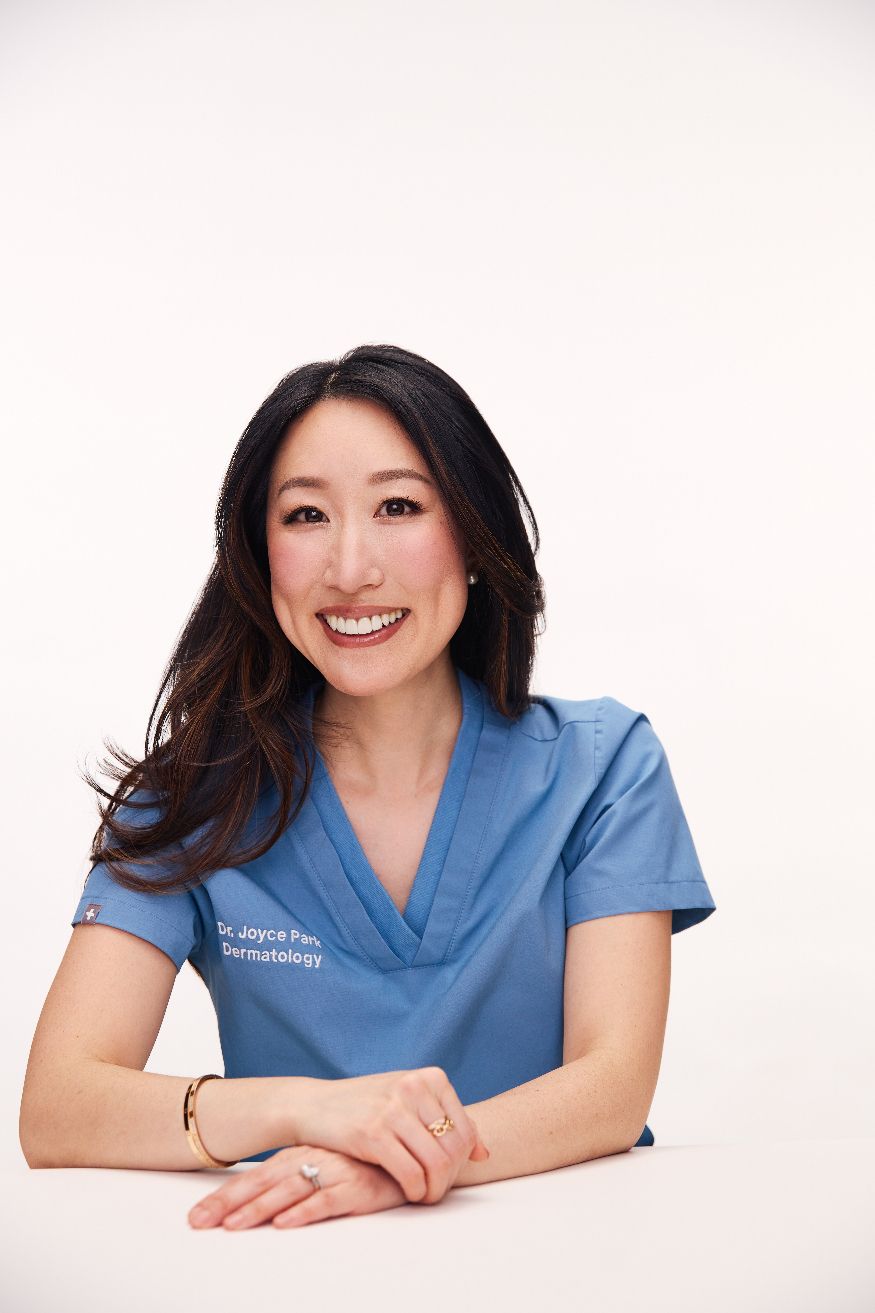
Dr. Joyce Park
Dermatologist & Founder of Kerativ
You cannot accelerate hair growth past its biological limit, but you can create the best possible scalp environment to support regrowth as follicles return to the anagen phase. The Redensify Regimen was developed by Dr. Joyce Park, board-certified dermatologist, for exactly this kind of scalp-first, follicle-supportive care.
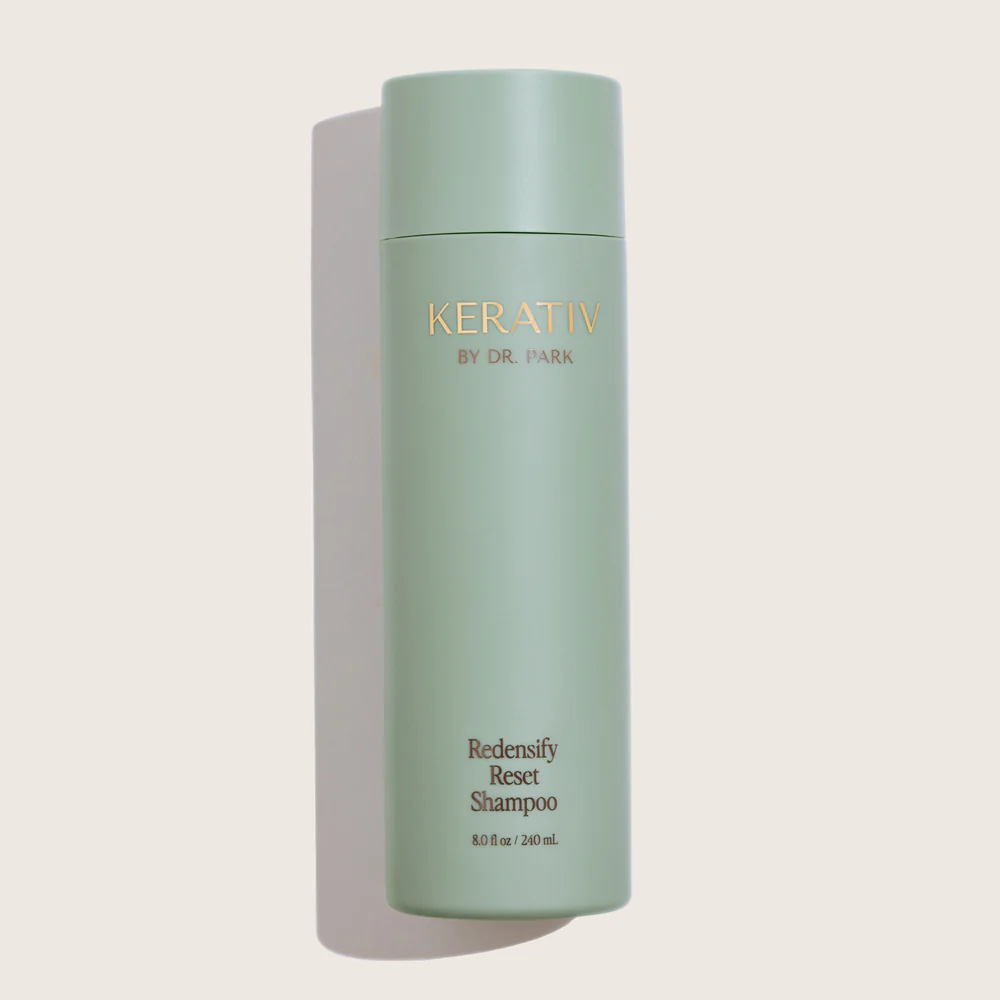
Redensify Reset Shampoo
Scalp-First Cleansing
A dermatologist-developed, sulfate-free gel shampoo that calms and soothes the scalp, removes buildup, and adds body and volume from root to tip. During a shedding episode, gentle cleansing supports a healthier scalp environment without stripping. Apply directly to the scalp and leave on for a few minutes before rinsing.
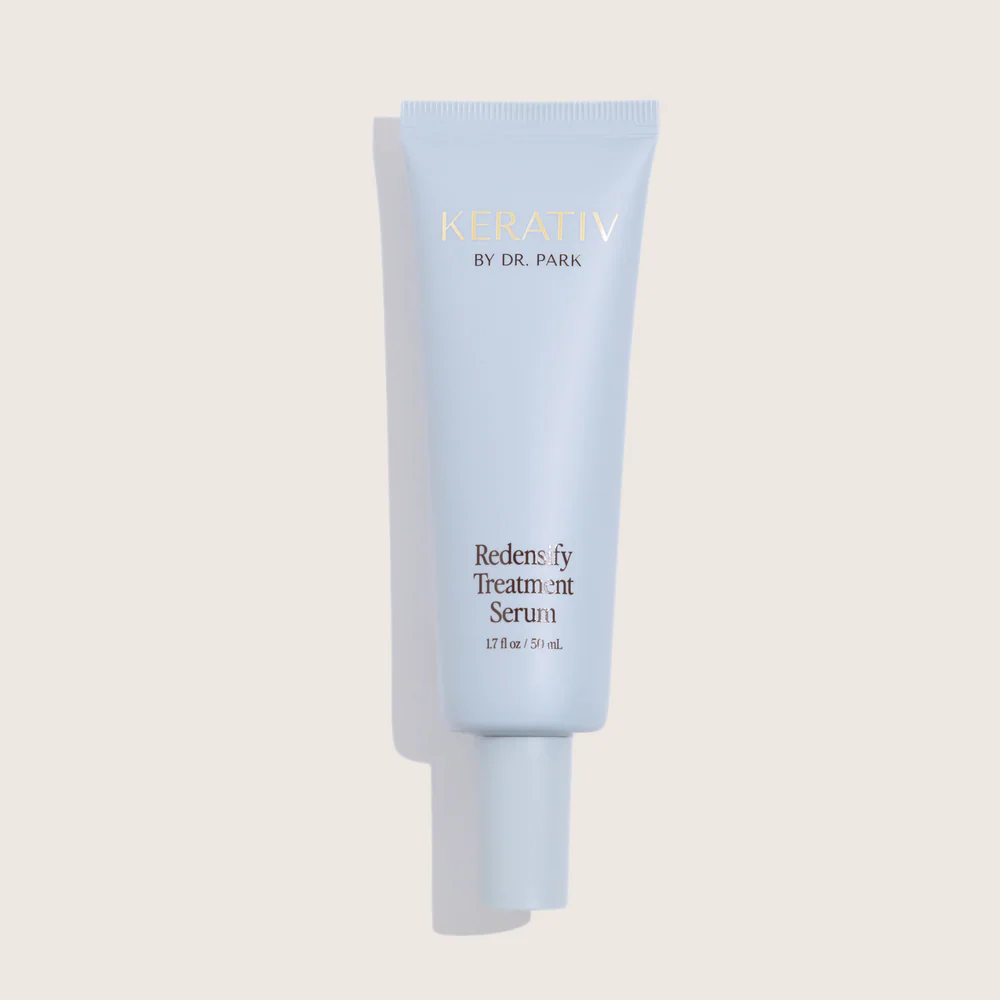
Redensify Treatment Serum
Twice-Daily Scalp Treatment
A dermatologist-developed, fragrance-free scalp serum that nourishes the scalp and follicles to support fuller, denser, healthier-looking hair. Apply twice daily to a dry scalp and do not rinse. Clinically shown to increase hair volume and density after 12 weeks.*
Redensify Regimen
The Complete System
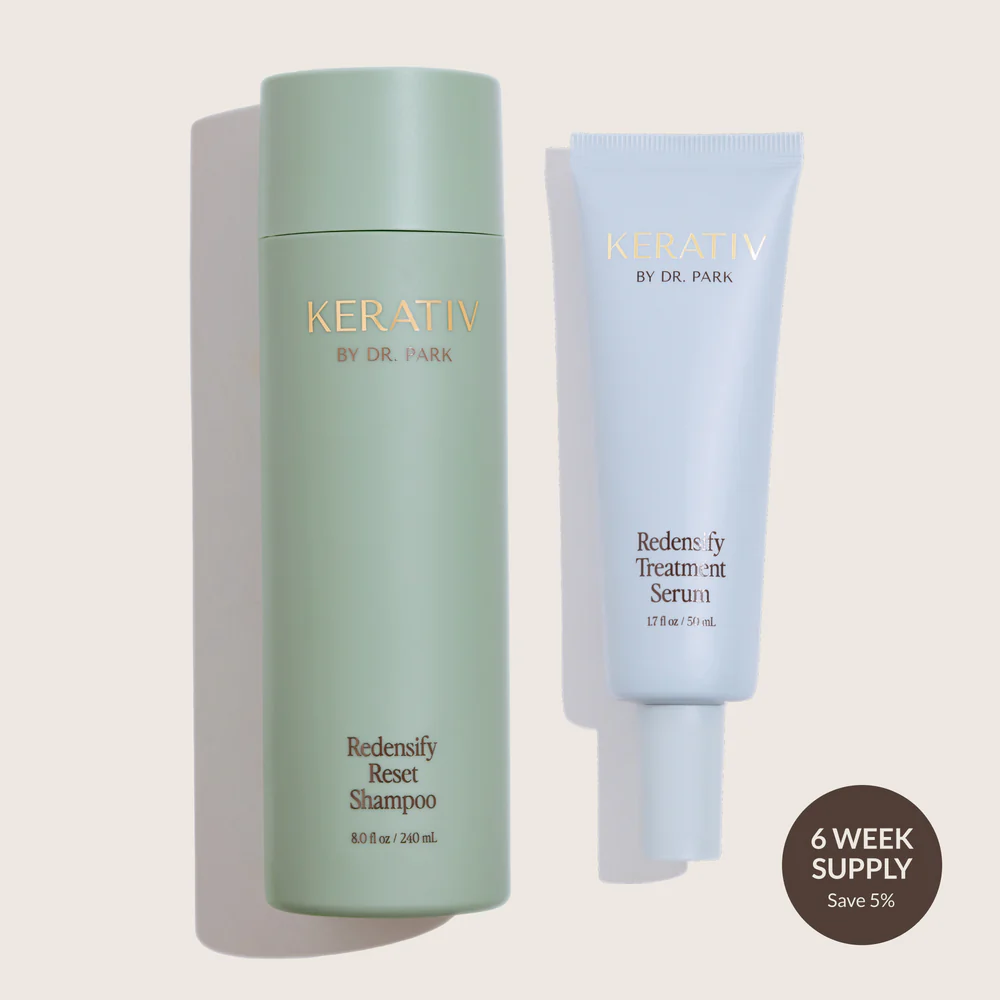
The shampoo and serum together at a bundled price. The complete cleanse-treat system to start a consistent scalp-first routine while your scalp recovers.
A calm, clean scalp supports a healthy follicle environment
Follicles returning to the anagen phase do so in an environment shaped by scalp health. Gently removing buildup and supporting the scalp barrier creates the best possible starting point.
Gentle cleansing without stripping
During a shedding episode, fragile hairs need the most gentle care. The sulfate-free Reset Shampoo cleanses effectively, calms the scalp, and leaves hair bouncy, smooth, and soft without stripping stress.
Twice-daily habit builds the consistency recovery requires
Recovery from a shedding episode takes time. A consistent twice-daily serum routine gives your scalp ongoing support across that full timeline. Use without interruption for optimal results.
Dermatologist-developed for sensitive, stressed scalps
Fragrance-free, alcohol-free, and color safe. Free of sulfates and parabens. Vegan and cruelty-free. Suitable for all hair and scalp types including fine, thinning, and sensitive scalps.
Cosmetic products are not drugs and are not intended to diagnose, treat, cure, or prevent any disease. If shedding is severe, prolonged beyond 6 months, or accompanied by other symptoms, consult a board-certified dermatologist. *Based on a 12-week clinical study with an independent dermatologist evaluation of hair density and volume.
Most cases of acute telogen effluvium resolve within 3 to 6 months once the underlying trigger has been addressed. Shedding typically peaks around 3 to 4 months after the triggering event and then gradually slows as follicles return to the anagen phase. Chronic telogen effluvium, defined as shedding lasting more than 6 months, is less common and warrants evaluation by a dermatologist to identify ongoing contributing factors.
In most cases, yes. Because the follicles are not damaged in TE, they are capable of producing new hairs once they return to the growth phase. Full density recovery typically takes 6 to 12 months after the shedding phase peaks. The key is addressing any underlying triggers (nutritional deficiencies, thyroid issues, stress) and maintaining a supportive scalp environment in the meantime.
TE is characterized by sudden, diffuse shedding that began 2 to 4 months after a clear trigger. Unlike androgenetic alopecia, it affects the whole scalp without concentrating at the hairline or crown. Unlike alopecia areata, there are no patches. A dermatologist can confirm through a pull test, dermoscopy, and bloodwork to rule out thyroid dysfunction, iron deficiency, or other contributing factors.
No. The hairs that shed during a TE episode are hairs that have already completed their cycle and would shed regardless. Avoiding washing does not prevent this, it only delays the inevitable while allowing scalp buildup to accumulate. Regular gentle cleansing is recommended during a TE episode.
You will typically start seeing fuller-looking hair around the 3-month mark with consistent use. In the first few weeks, your scalp begins to rebalance, and some may notice a brief increase in shedding as follicles shift into a healthier cycle. This is normal and temporary. Around three months, hair starts to look fuller with less noticeable thinning. Take baseline photos and track progress weekly for the most accurate assessment.